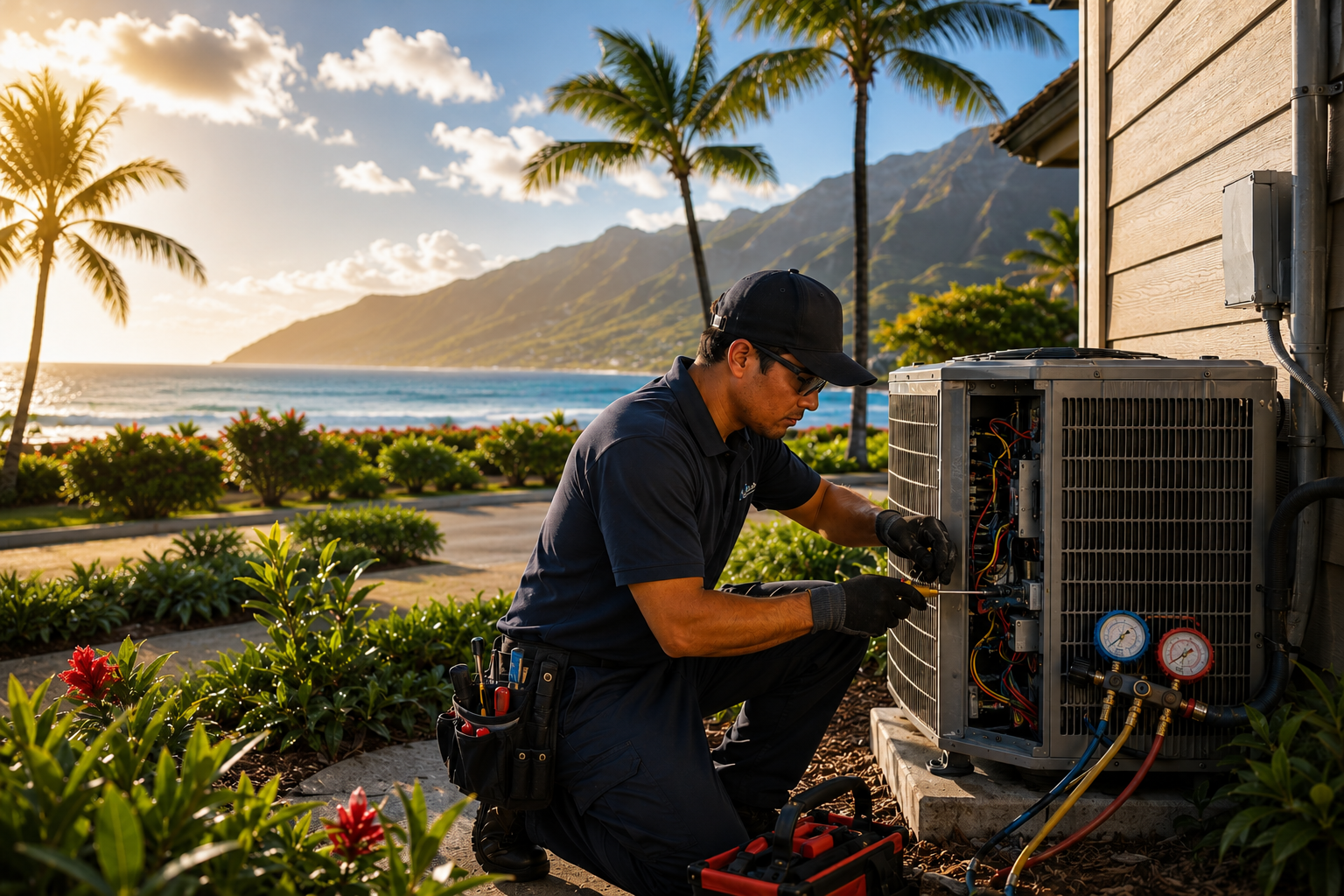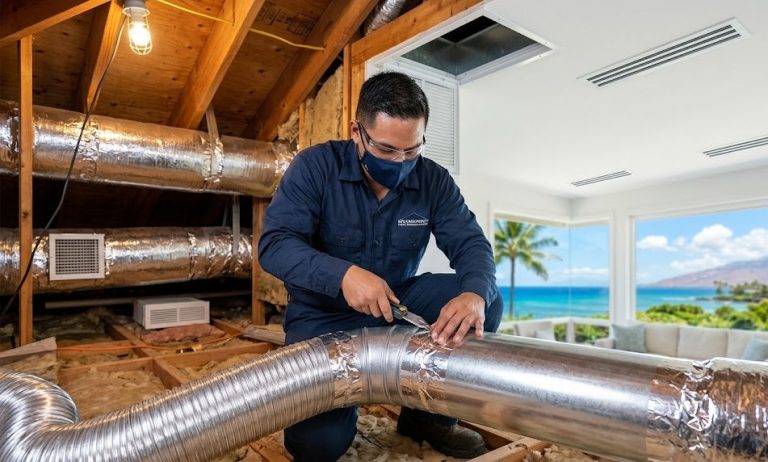
Summer heat in Maui can put extra pressure on any HVAC system. When airflow drops, rooms cool more slowly, and indoor comfort becomes harder to maintain. One of the most effective ways to improve cooling performance is through proper duct & vent installation. Synairgy Mechanical helps local homes and businesses improve airflow and indoor comfort during the hottest months of the year.
A properly planned duct system allows cooled air to move where it is needed with less resistance. For many property owners, professional duct and vent services can help reduce cooling loss and support more stable indoor temperatures. This article explains how duct & vent installation in Maui can help your HVAC system handle peak summer demand more effectively.
Why Summer Heat Exposes HVAC Weaknesses
Summer heat places more demand on HVAC systems because cooling runs longer and airflow problems become easier to notice. As outdoor temperatures rise in Maui, indoor comfort depends heavily on how well conditioned air moves through the property. In many cases, duct & vent installation becomes an important part of summer performance because poor air distribution often becomes more visible during hotter months.
Extended Cooling Hours
Summer causes HVAC systems to run longer to maintain indoor temperatures. Heat enters through windows, roofing, walls, and normal indoor activity. As indoor heat increases, the system must move cooled air for longer periods to keep temperatures stable.
Longer operating cycles place more demand on airflow pathways. If ductwork has leaks, loose connections, or restrictions, cooling delivery slows down, and the system stays active longer. Proper installation helps air move more directly through the system. This supports steadier cooling during long summer operating hours.
Heat Buildup Indoors
Indoor heat builds up when cooled air does not reach every part of the property evenly. Sun exposure, appliances, lighting, and occupancy all add heat to indoor spaces during the day. Rooms with weaker airflow often hold more heat than rooms receiving stronger air circulation. This creates uneven cooling across the property. In many cases, the source of this imbalance is the duct system. When air distribution is uneven, heat remains trapped in certain rooms.
Seasonal Comfort Demands
Summer creates different cooling demands across different areas of the property. Bedrooms may remain occupied longer at night. Kitchens often generate more daytime heat. Shared living spaces may stay active for longer periods. These changing patterns require steady airflow from room to room.
A property may feel cool in one area and warm in another if the airflow path is not balanced. This becomes more noticeable during summer because higher cooling demand places greater pressure on the entire HVAC system.
How Duct & Vent Installation Controls Air Delivery
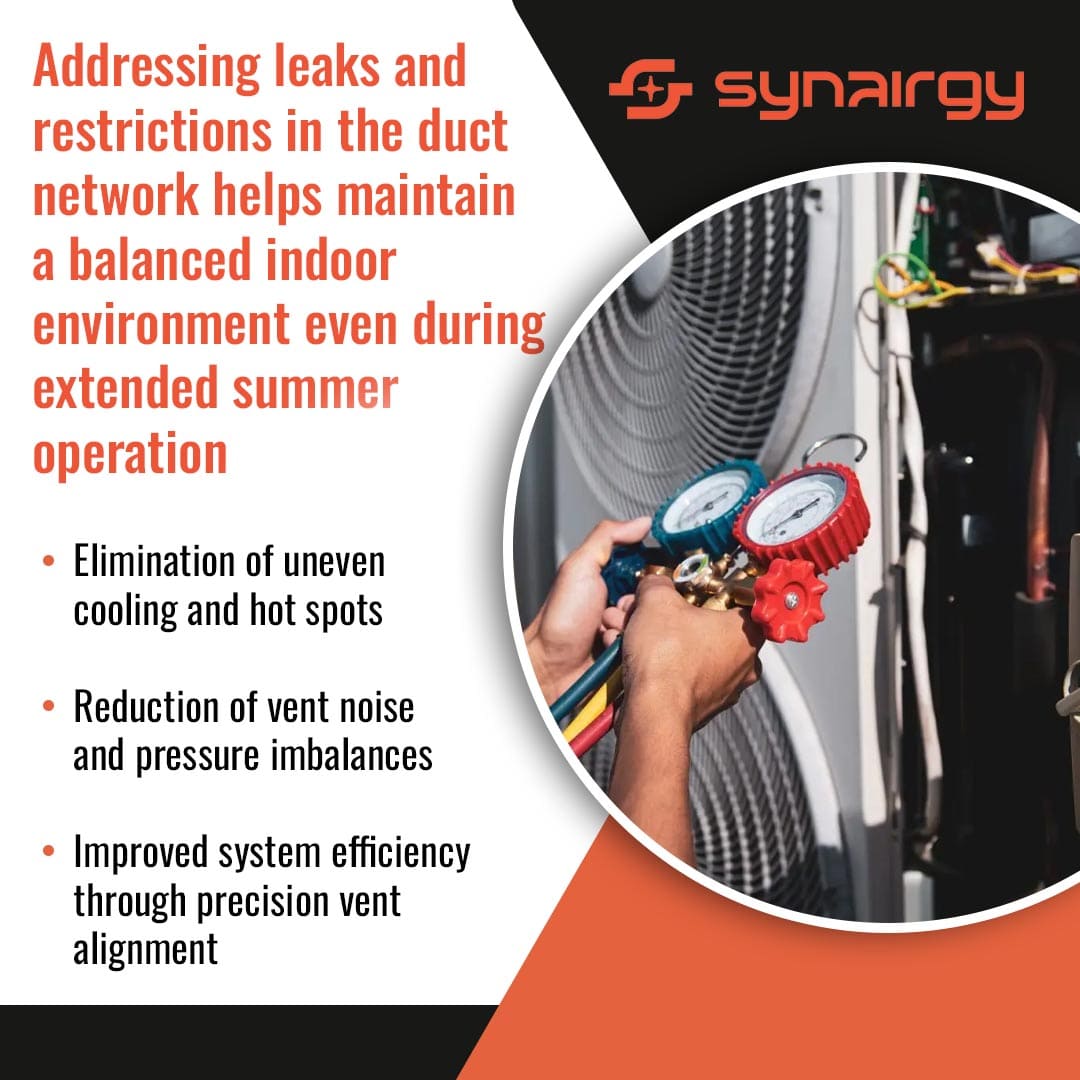
Duct & vent installation controls how conditioned air moves through a property and how evenly that air reaches each room. Air delivery depends on more than the HVAC unit itself. The path that air follows through ductwork directly affects cooling speed, temperature consistency, and indoor comfort. Proper installation supports balanced airflow by directing conditioned air where it is needed and allowing indoor air to circulate back through the system efficiently.
Supply Air Direction
Supply ducts carry cooled air from the HVAC system into occupied spaces. The direction of supply airflow affects how quickly a room cools and how evenly air spreads across the area. If supply vents are poorly placed, cooled air may collect in one part of the room while other sections remain warmer. A properly planned duct layout helps distribute supply air more evenly. This allows conditioned air to reach living spaces with less resistance.
Return Air Movement
Return airflow carries indoor air back to the HVAC system for reconditioning. Without adequate return airflow, conditioned air cannot circulate effectively. Air may build pressure in certain rooms while reducing movement in others. Balanced return pathways help maintain continuous circulation. This supports steady airflow throughout the property and allows the HVAC system to operate more efficiently.
Room Temperature Balance
Balanced airflow helps maintain more consistent temperatures from room to room. Each room has different cooling demands based on size, sun exposure, ceiling height, and daily use. If airflow is not distributed properly, some rooms may cool faster while others stay warmer.
Proper duct & vent installation helps match airflow to the needs of each space. This improves temperature balance across the property, especially during periods of heavy summer cooling demand.
Warning Signs Your Ductwork Needs Attention
Ductwork problems often develop gradually and become more noticeable during heavy cooling periods in Maui. When airflow is not distributed properly, the HVAC system must work harder to deliver comfort across all rooms. In many cases, early signs appear before larger performance issues develop.
Uneven Cooling
Uneven cooling occurs when some rooms feel colder or warmer than others under the same thermostat setting. This often points to an airflow imbalance within the duct system. Certain areas may receive a stronger air supply while others receive limited circulation. When airflow is not evenly distributed, temperature differences between rooms become more noticeable during extended cooling periods.
Weak Airflow
Weak airflow occurs when vents release less air than expected during system operation. This can result from duct blockages, leaks, or poorly connected sections that restrict the movement of conditioned air. Reduced airflow limits how quickly rooms reach a stable temperature and places additional demand on the HVAC system.
Vent Noise
Unusual noise from vents often signals a pressure imbalance or restricted airflow. Whistling, rattling, or humming sounds may occur when air moves through narrow or obstructed duct sections. These sounds indicate that air is not traveling smoothly through the system, which can affect overall performance.
Rising Energy Bills
Higher energy costs can develop when the HVAC system runs longer to compensate for airflow loss. The U.S. Department of Energy notes that duct leakage can contribute to energy loss and reduced comfort in buildings.
If ducts are leaking or poorly sealed, conditioned air escapes before reaching intended areas. This forces the system to operate for longer periods, which increases energy use while reducing overall efficiency.
What Happens During Professional Duct Installation
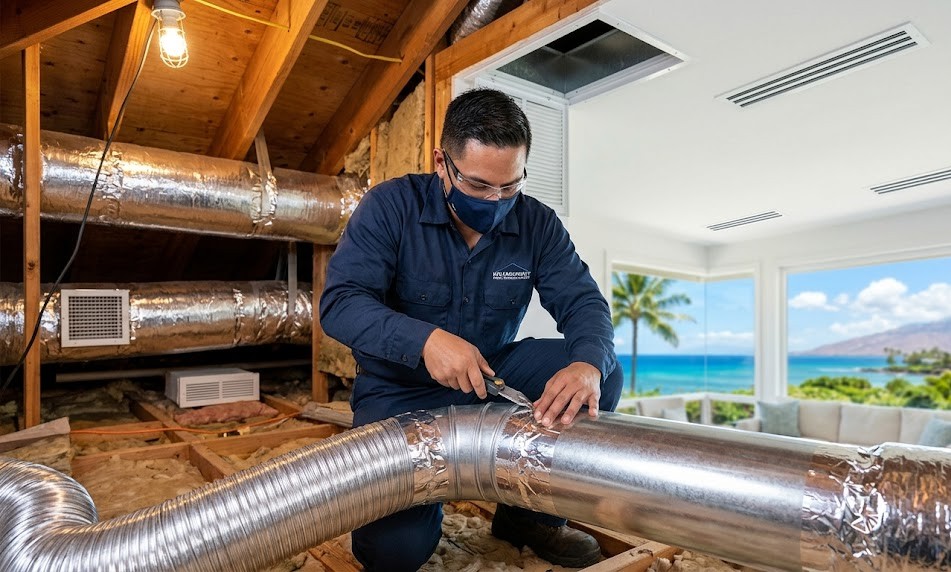
Professional duct installation focuses on proper airflow planning, precise fitting, and system sealing as part of structured duct and vent services. A properly executed installation process supports consistent air movement across the property and reduces performance issues that often develop from poorly designed ductwork.
Layout Assessment
The process begins with reviewing the building layout to understand airflow pathways. Room size, ceiling height, insulation levels, and equipment location all influence how air should move through the space. This step helps identify where supply and return routes should be positioned for balanced distribution.
Airflow Calculations
Airflow calculations determine how much conditioned air each area requires. These calculations help match duct sizing with HVAC capacity. Without proper balancing, some rooms may receive too much air while others receive too little, leading to uneven comfort.
Duct Placement
Duct placement defines how air travels from the HVAC system to each room. Correct routing helps reduce unnecessary bends and long travel paths that can slow airflow. Strategic placement supports more even delivery of conditioned air across the property.
Joint Sealing
Joint sealing helps prevent air loss at connection points between duct sections. Unsealed or poorly sealed joints can allow conditioned air to escape before reaching intended areas. This affects both airflow strength and system efficiency over time.
How Professional Ductwork Improves Summer Operation
Proper airflow design has a direct effect on how an HVAC system performs during long summer cooling cycles in Maui. When ductwork is installed correctly, the system delivers air more efficiently and maintains more stable indoor conditions. Quality installation supports consistent air movement and reduces common performance issues linked to poor duct design.
Less Conditioned Air Loss
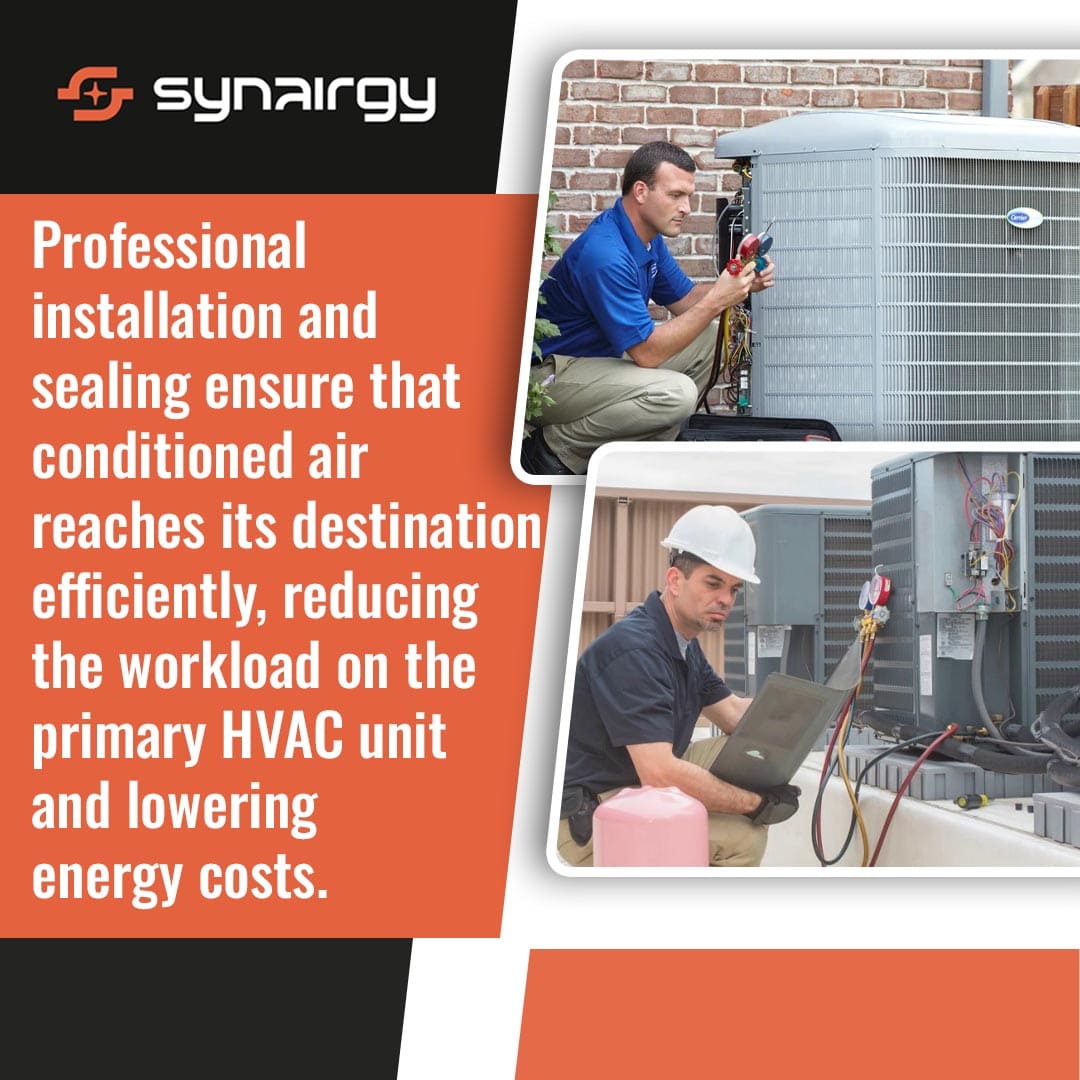
Proper ductwork reduces the amount of cooled air escaping through leaks or poorly connected joints. When air stays within the intended pathways, more conditioned air reaches living spaces instead of being lost in walls, ceilings, or unconditioned areas. This helps the HVAC system deliver cooling more effectively during extended operation.
Better Moisture Control
Balanced airflow supports more stable indoor humidity levels. When air circulates evenly, moisture does not build up in specific areas of the property. This helps reduce damp conditions that often occur when airflow is restricted or uneven across rooms.
Reduced Equipment Wear
Efficient airflow lowers unnecessary strain on HVAC components. When ducts allow air to move freely, the system does not need to operate for extended periods to meet cooling demands. This helps reduce mechanical stress on key components such as the blower and compressor.
Steadier Cooling Output
Consistent duct performance supports more stable temperature delivery across all rooms. When airflow is properly distributed, indoor temperatures remain more balanced even during peak summer demand. This reduces sudden temperature fluctuations and improves overall system consistency.
The Role of Synairgy Mechanical in Duct & Vent Installation
HVAC performance in Maui County depends heavily on how duct systems are planned and installed for local building conditions. When handling duct & vent installation in Maui, our team focuses on airflow behavior, property layout, and environmental conditions that influence cooling performance throughout the year. At Synairgy Mechanical, we provide structured duct and vent services designed to support consistent air distribution across both residential and commercial properties.
Site-specific Planning
Every property requires a tailored duct layout based on its structure and airflow needs. Synairgy Mechanical begins by reviewing the building’s floor plan, ceiling height, insulation levels, and HVAC system capacity. These details guide how we design airflow paths from the system to each room.
Our team focuses on reducing uneven cooling, where some areas receive stronger airflow while others feel warmer. We also plan duct routing carefully to avoid unnecessary bends or extended runs that can restrict airflow. This planning stage allows us to build a system that supports balanced air delivery throughout the property.
Island Climate Considerations
Maui’s climate places continuous demand on cooling systems, which affects duct performance over time. High humidity, salt exposure, and steady warm temperatures influence how ductwork performs in local environments.
When we handle installation, we consider these conditions during design and material selection. Our goal is to support stable airflow even during long cooling cycles. We also account for moisture control and air movement patterns that are common in island properties, helping reduce performance issues linked to environmental stress.
Existing System Coordination
New ductwork must integrate properly with the existing HVAC system. We make sure airflow capacity, duct sizing, and system connections are properly aligned. If coordination is not handled correctly, airflow restrictions can develop and lead to uneven cooling between rooms. Our team works to connect new duct systems in a way that allows the HVAC unit and ductwork to operate together smoothly, supporting consistent air delivery across all areas of the building.
Local Installation Support
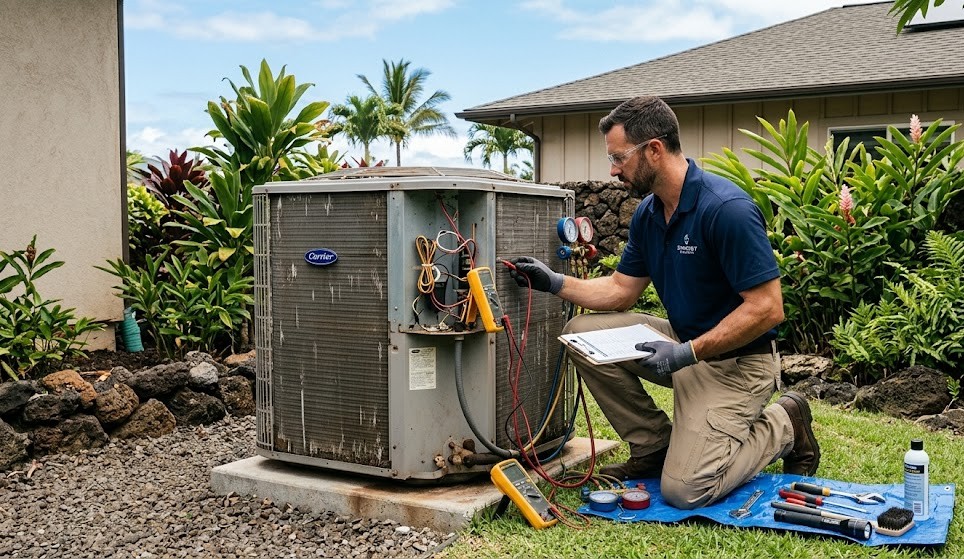
Ongoing duct and vent services help maintain system performance after installation is completed. We provide continued support through inspections, adjustments, and maintenance services that help keep airflow pathways in good condition.
Over time, duct systems may require updates due to normal wear or environmental exposure. Our local presence in Maui County allows us to respond quickly to service needs, helping maintain steady indoor comfort and reliable system performance.
Schedule Professional Duct & Vent Installation with Synairgy Mechanical
Synairgy Mechanical provides structured duct and vent services for residential and commercial properties across Maui County. Reach out to our team at (808) 572-0500 or email info@synairgy.com to request service details, schedule an inspection, or get an estimate.